
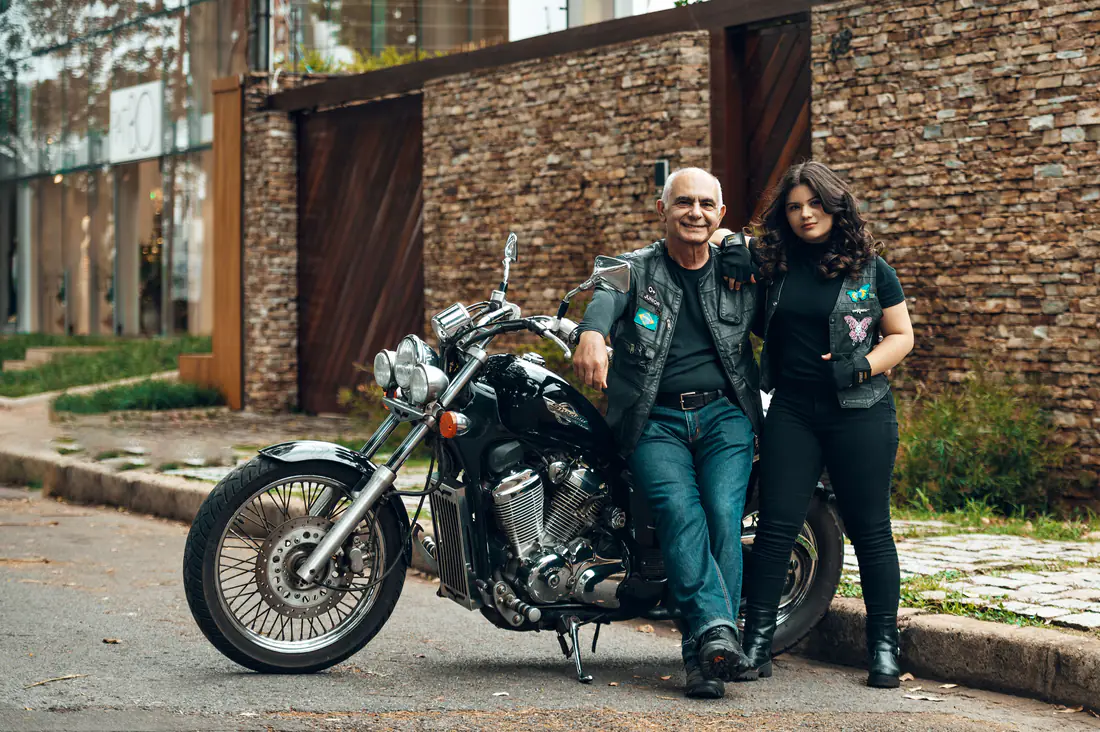
Quick answer: The best first motorcycle date is usually a public conversation-first meeting with independent transport. Offer both riding and non-riding ideas, ask before making anyone a passenger, keep the plan easy to leave, and save longer routes for after trust develops.
Start with intention, respect, and ordinary judgement
Motorcycle culture gives two people an immediate subject, but it does not replace the normal work of dating. Be clear about the relationship you want, notice whether communication is mutual, and protect private information while trust develops. Treat every profile as an introduction rather than proof of identity, compatibility, or character.
The most useful approach is specific and calm. Ask questions based on what the person has chosen to share, answer with similar openness, and move towards a public meeting only when details remain consistent. A shared interest should make conversation easier, not create pressure to move faster than either person wants.
Why should conversation come before the ride?
A first meeting is your chance to notice communication, boundaries, consistency, and whether you both want to continue. A moving motorcycle makes that conversation impossible.
Meet for coffee, breakfast, casual food, or a short walk in a busy public place. Set a clear starting point and let the date extend only when both people feel comfortable.
Do not use a dramatic route to compensate for weak conversation. A simple plan provides better information about relationship potential.
Which motorcycle-themed plans stay low pressure?
A public motorcycle exhibition, open dealership event, museum, daytime show, or busy café can provide a shared subject without requiring a ride together.
Choose a venue where either person can leave independently and where conversation is possible. Confirm whether tickets, parking, or equipment are needed before the day.
Avoid isolated workshops, private garages, remote viewpoints, or invitations to a home during the first meeting. Shared interest does not remove normal safety needs.
What are good non-riding alternatives?
Markets, galleries, casual restaurants, live daytime music, bookshops, public gardens, and simple classes can reveal compatibility beyond motorcycles.
Offer two options with similar cost and time. A choice shows consideration and prevents weather or equipment from deciding whether the date can happen.
Do not frame a non-riding date as disappointing. Someone may love motorcycles and still prefer to focus on conversation at the beginning.
When is a short ride appropriate?
A later date may include a short ride when both people actively want it and have enough information to make an informed decision.
Agree on route, duration, stops, pace, weather, equipment, communication, and what happens if the passenger wants to stop. Inspect the available protective gear and fit before leaving.
Never treat agreement as permanent. Weather changes, discomfort, machine concerns, or a simple change of mind are enough reason to cancel the ride.
How should rider and passenger boundaries be discussed?
The rider controls the machine, but the passenger controls whether they participate. Both need a clear way to communicate during and between sections of the route.
Discuss mounting, movement, handholds, stopping, speed, breaks, and any health or mobility considerations without embarrassment. Ask rather than assuming previous experience.
Mocking fear, dismissing equipment, showing off, or changing the route without agreement breaks trust. End the plan when safety expectations are not respected.
How do weather and equipment change the date?
Temperature, rain, wind, sun, visibility, and road conditions affect concentration and comfort. Clothing that works at a café may be unsuitable on a motorcycle.
Check conditions near departure, agree on a cancellation threshold, and keep an indoor plan ready. Use properly fitting protective equipment intended for riding.
A date should not depend on someone buying equipment, borrowing an unsafe item, or travelling in conditions they would normally avoid.
How do you plan the second date?
Use the first meeting to learn what both people enjoyed and what would feel comfortable next. A second date can be longer because it is based on actual conversation rather than profile assumptions.
Suggest one idea connected to something the other person mentioned. If riding interests are mutual, plan a public destination where each can arrive on their own motorcycle before considering a passenger arrangement.
Mutual enthusiasm should be visible. If one person is doing all the proposing, travelling, or adapting, pause and see whether the effort becomes more balanced.
How can you make the date memorable without making it risky?
A memorable date needs attention more than spectacle. Choose one small detail connected to the conversation, such as a café with a good breakfast, a public exhibition related to a shared interest, or a short stop where you can continue talking. Personal relevance is usually more meaningful than distance, speed, expense, or a tightly packed itinerary.
Build in choices. Agree that poor weather moves the date indoors, that either person can shorten the plan, and that a ride is optional even if equipment has been prepared. Flexibility removes the pressure to protect an idea after the real conditions have changed.
End while the experience still feels comfortable. A first date does not need to answer every question or prove a future. A calm goodbye, direct follow-up, and mutually chosen second plan create a stronger impression than stretching the meeting until conversation or energy disappears.
A practical way to apply this advice
- Define your direction. Decide what kind of connection you want and which boundaries support it.
- Communicate specifically. Replace assumptions with questions and examples from real life.
- Protect private details. Share identity, location, financial, and family information gradually.
- Meet with control. Choose a public place, independent transport, and a trusted-person check-in.
- Review the evidence. Judge the connection by consistent behaviour, balanced effort, and respected boundaries.
Good dating advice does not promise a particular result. It helps you make clearer decisions, recognise pressure earlier, and create better conditions for a genuine connection. Keep the parts that fit your situation and step back whenever the pace stops feeling mutual.
Questions people ask
What is a good first date for two motorcycle riders?
Meet at a public café or event and arrive independently. If both want a riding element, consider a later date with an agreed route and separate motorcycles.
Should I offer someone a passenger ride on the first date?
It is usually better to begin with conversation and separate transport. A passenger ride needs trust, equipment, route, pace, and comfort discussions.
What if weather changes before a motorcycle date?
Switch to the agreed indoor or non-riding plan. Flexibility demonstrates sound judgement and respect.
How long should a first biker date last?
A short meeting with a clear endpoint is often best. It can continue when both people are enjoying it, but neither person should feel trapped in a long itinerary.
Can a motorcycle show be a first date?
Yes, when it is public, easy to reach independently, and still gives you enough quiet time to talk.
Ready to meet biker singles?
Create an honest profile, share how motorcycles fit into your life, and begin with the kind of connection you genuinely want.
Meet Biker Singles