
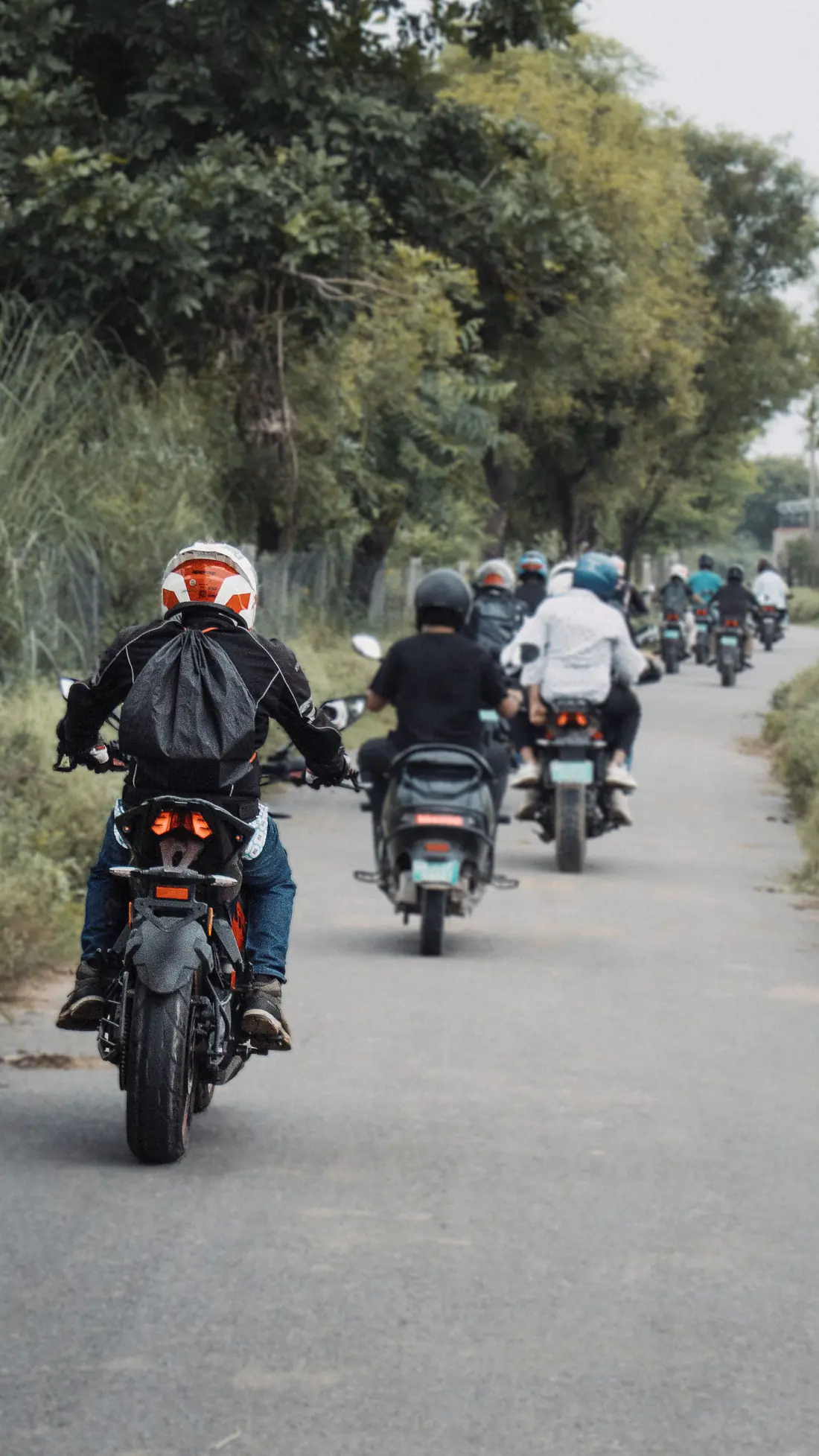
Quick answer: Safer biker dating means protecting private information, watching for pressure and inconsistency, meeting in public, controlling your own transport, telling someone you trust, and treating any motorcycle ride as a separate decision that needs active consent and clear safety boundaries.
Protect personal information during early conversation
Use a general location instead of an exact address. Keep your surname, workplace details, phone number, personal email, identity documents, banking information, and predictable route private while you assess the connection. Check photographs for house numbers, registration documents, work badges, school details, and other background clues before uploading them.
Privacy is not dishonesty. It is a way to control the pace at which a stranger gains access to your life. A respectful person will understand why you prefer to communicate through the available platform tools until consistent behaviour creates more confidence.
Watch for urgency, inconsistency, and financial stories
Slow down when someone declares intense feelings immediately, avoids ordinary questions, changes basic details, claims repeated emergencies, or insists that only you can solve a problem. Never send money, gift cards, cryptocurrency, banking details, passwords, account codes, or copies of identity documents to a new romantic contact.
A shared motorcycle vocabulary, convincing photograph, video call, or story about community connections is not financial evidence. Images and identities can be misused. Preserve relevant messages and use reporting controls when a request or threat appears.
Keep early communication in a place you can control
Moving to private messaging can reveal a phone number, social accounts, contact lists, or other information. Stay within available platform communication until you understand why the person wants to move and you feel comfortable with the information that change may expose.
Review privacy settings on every account you use. Search your own public profile to see what a stranger can connect. Do not reuse passwords, and never share a login or one-time security code, even when the request appears to come from support.
Choose a public and independent first meeting
Meet in a busy café, casual restaurant, market, museum, or another active venue. Avoid a home, hotel room, workplace, private garage, remote viewpoint, quiet road, or isolated event area. Set a clear time and choose somewhere with reliable transport and phone service.
Arrange your own journey in both directions. Do not rely on a new contact for a lift, fuel, accommodation, or access to your belongings. Independent transport lets you change the plan or leave without negotiation.
Tell a trusted person and agree on a check-in
Share the name or profile information you have, the venue, expected timing, and how you plan to travel. Agree on a check-in message and what your trusted person should do if you miss it. Keep your phone charged and accessible.
This plan is not about assuming the worst. It creates a simple layer of accountability when meeting someone whose identity and behaviour you have not yet verified through time.
Keep control of food, drink, belongings, and judgement
Know your own limits with alcohol or other substances, and avoid anything that makes it harder to evaluate behaviour, communicate boundaries, or travel independently. Keep your drink, phone, wallet, keys, medication, and protective equipment with you.
If you feel unwell, pressured, confused, or unsafe, seek staff or public assistance and contact someone you trust. You do not owe a polite continuation when your ability to make decisions feels compromised.
Do not make a passenger ride the default introduction
A profile does not show how someone maintains a motorcycle, judges speed, handles weather, uses substances, responds to fatigue, or treats a passenger. A first meeting should focus on conversation with each person controlling arrival and departure.
Declining a ride does not question someone's identity or skill. It is a personal safety decision. Anyone who mocks the boundary, revs aggressively, changes the route, or treats fear as entertainment is providing a clear reason to end the plan.
Discuss equipment, route, pace, and communication before any ride
If a later date includes a ride, agree on the destination, route, duration, stops, weather limits, pace, fuel plan, and communication signal. Use properly fitting protective equipment suitable for the conditions. Ask about passenger experience, mobility, health, and comfort without judgement.
Consent can change before or during the ride. Stop when requested. A rider should never punish a passenger with speed, sudden manoeuvres, isolation, or refusal to return. A passenger should speak up as soon as something feels wrong.
Recognise respectful behaviour
Safety is also visible in ordinary moments. A respectful date accepts a public venue, separate transport, a short meeting, a weather cancellation, a slower reply, a protective-equipment choice, and a decision not to share private information. They do not require proof of interest through risk.
Look for consistency between words and actions. Apologies matter when behaviour changes. Repeated boundary testing, jealousy, monitoring, humiliation, threats, or attempts to isolate you should not be reframed as passion.
Leave, block, report, and seek help when needed
You can end a conversation or date at any time. You do not need evidence that would convince the other person. Move towards staff, other people, or a secure transport option. Contact emergency services when there is immediate danger and use appropriate local support after harassment, threats, violence, fraud, or stalking.
Use available block and report tools, preserve messages or dates that may help a report, and tell a trusted person what happened. Do not confront someone alone in order to gather more proof. Your first responsibility is to regain safety and control.
First meetup checklist
- Use a busy public venue and confirm the plan in writing.
- Arrange independent transport in both directions.
- Tell a trusted person and agree on a check-in.
- Keep your phone charged and belongings under your control.
- Protect home, work, identity, route, and financial details.
- Use a conversation-first plan rather than a passenger ride.
- Leave when pressure, inconsistency, financial requests, or unsafe behaviour appears.
Biker dating safety questions
What information should I keep private while dating online?
Protect your exact home and work addresses, financial information, identity documents, passwords, children's identifying details, and predictable daily routes until there is a legitimate reason and established trust.
What should I do if someone asks me for money?
Do not send money, banking information, gift cards, cryptocurrency, or account access. Stop the conversation, preserve relevant messages, and use the available reporting controls.
Where should a first meeting happen?
Choose a busy public venue that both people can reach and leave independently. Tell a trusted person, keep your phone charged, and avoid a home, workplace, remote road, or isolated riding destination.
Should a first meeting include a passenger ride?
A public conversation-first meeting with independent transport is usually safer and easier. Consider a later ride only after trust, equipment, route, pace, weather, and communication have been discussed.
What if someone reacts badly to a boundary?
End the conversation or leave the meeting. A respectful person can accept a slower pace, changed plan, separate transport, equipment choice, or decision not to ride without punishment or pressure.
Ready to meet biker singles?
Create an honest profile, share how motorcycles fit into your life, and begin with the kind of connection you genuinely want.
Meet Biker Singles